
How Folklore Inspires Horror Cosplay
페이지 정보
작성자 Landon 작성일 25-11-15 02:26 조회 11 댓글 0본문
Folklore has always been a rich source of inspiration for artists, writers, and creators and the horror cosplay community is no exception. Some of the most unforgettable horror cosplay designs trace their roots far beyond contemporary media but from ancient tales passed down through generations. These stories, rooted in the fears and beliefs of different cultures offer a deep well of imagery and symbolism that resonates powerfully with those who seek to embody the eerie and the unknown.
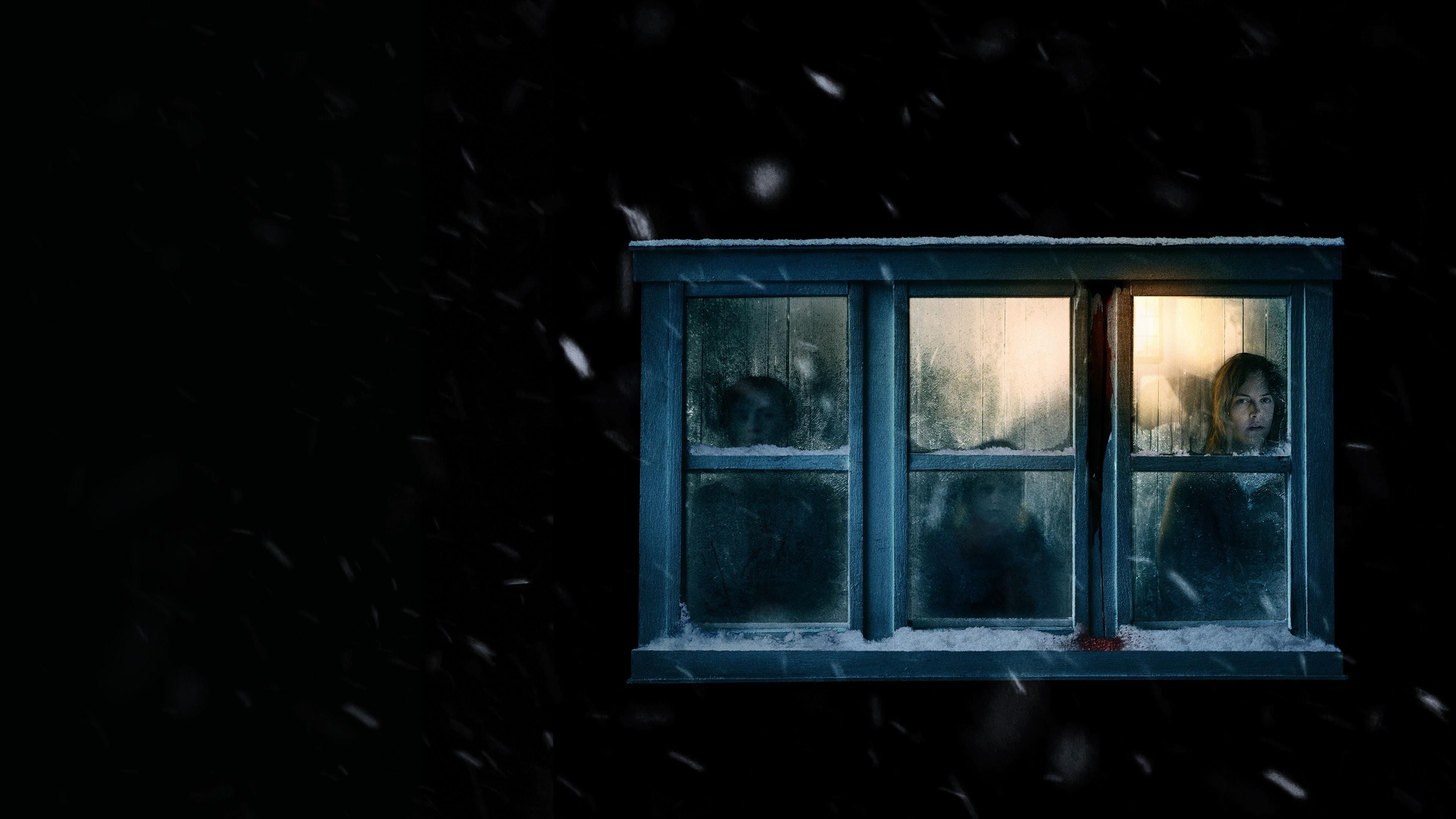
Consider the yuki onna, the icy wraith of Japanese myth, draped in elegance and frost — only to reveal her true, chilling form when she draws too close. Costume artisans craft her presence using delicate frost-textured textiles, icy pallor, and bone-chilling visages that capture the cold elegance of the legend. The Headless Horseman, a spectral rider born of Dutch settlers’ tales and immortalized by Irving inspires costumes that blend historical accuracy with supernatural dread, often featuring tattered 18th century attire and dramatic prosthetics.
Across the Balkans, the strigoi and vrykolakas emerge from ancient Slavic and Hellenic myths inspire cosplayers to explore themes of undeath and corruption. They are not mere corpses returned, but corrupted mirrors of humanity — often portrayed with sunken eyes, decaying skin, and ritualistic markings. Cosplayers use prosthetics, body paint, and layered costumes to evoke the slow decay and lingering malice of these creatures turning their creations into moving tributes to ancestral fears.
Myths like the Philippine aswang and the weeping widow of Mexican lore find their way into horror cosplay through passionate reinterpretation. The aswang — a terrifying shapeshifter that stalks the night, targeting the weak challenges cosplayers to design costumes that shift between human and monstrous forms, integrating motion-sensitive LEDs and dual-layered garments that transform under light. The weeping woman of Mexican legend, eternally mourning her drowned offspring is rendered with drenched, tattered gowns, dripping wet tresses, and streaked, sorrowful makeup that evoke deep sorrow and haunting beauty.
Folklore’s power in cosplay stems from its raw, unfiltered emotional truth. Born not for spectacle, but as sacred warnings, moral parables, and psychological armor. To don these costumes is far more than roleplay. They are breathing life into inherited trauma and ancestral dread. The result is not just a costume, but a living piece of cultural memory.
The horror cosplay community thrives on this connection to the past. By honoring these ancient tales, cosplayers keep the stories alive in new forms, drawing audiences into the shiver of a myth long buried, the hushed voice of a warning from a world gone silent, or the endless lament of a history of folk horror soul bound by grief. These myths don’t inspire cosplay; they animate it, soul by soul.
- 이전글 7 Things About Patio Door Repairs Near Me You'll Kick Yourself For Not Knowing
- 다음글 Fort Pillow Massacre
댓글목록 0
등록된 댓글이 없습니다.