
Correcting Misalignment When Crowns Are Present
페이지 정보
작성자 Beulah 작성일 26-01-27 04:10 조회 18 댓글 0본문
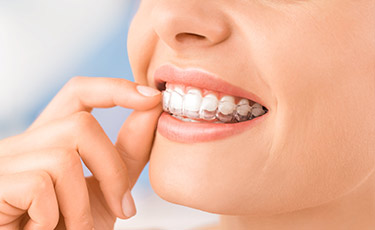
Orthodontic treatment for patients with dental crowns is a common and manageable scenario in modern dentistry
Those with crowns placed after dental damage frequently develop alignment issues as years pass
causing problems with how the upper and lower jaws meet
In such cases, orthodontic treatment can still be an effective solution
success hinges on teamwork between the orthodontist and the prosthodontist
It’s essential to recognize that crowns behave differently than enamel-covered teeth
They are made of materials like porcelain, ceramic, or metal
they transmit force differently compared to unaltered enamel surfaces
However, the underlying tooth structure and the surrounding bone and ligaments still move as expected when forces are applied
Crowned teeth can be repositioned effectively
but the integrity of the crown must be preserved throughout the process
Before beginning treatment, the orthodontist will evaluate the condition of each crown
If a crown is old, poorly fitted, or has significant damage, it may need to be replaced before orthodontics begin
This is because a compromised crown could crack or debond during treatment
leading to added complications and delays
If the restoration is stable and well-seated, orthodontics can proceed without delay
using brackets and wires or clear aligners designed to accommodate the crown's shape and surface
Attaching orthodontic brackets to crowns demands specialized bonding protocols
the orthodontist will use materials that are strong enough to hold the bracket in place during treatment but can also be removed without damaging the crown
Occasionally, minimal surface etching is required to enhance adhesion
using micro-abrasion tools under magnification to preserve integrity
Many clinicians recommend aligners for crowned patients
because they are removable and 鐘ヶ淵 歯科矯正 do not require bonding directly to the crown
Each tray contours precisely to both natural teeth and ceramic restorations
exerting even, consistent force across all surfaces
This method can be particularly advantageous for patients with multiple crowns
or those who are concerned about aesthetics during treatment
It is also important to monitor the bite and occlusion closely throughout orthodontic treatment
Moving crowned teeth can alter how the upper and lower teeth come together
The goal is to achieve a harmonious, stable, and pain-free occlusion
Minor polishing or contouring of crowns might be required to optimize occlusion
Teamwork among the orthodontist and restorative provider is critical to success
The two clinicians work together on scheduling, sequencing, and any crown revisions
Periodic imaging safeguards against root resorption or crown stress
and that there is no undue stress on the crowns or surrounding tissues
Patients should understand that treatment with crowns may take slightly longer than treatment with only natural teeth
and there may be additional costs for crown replacements or adjustments
Most patients find the outcome well worth the added time and expense
Patients with restorations are absolutely eligible for orthodontic care
Through expert collaboration, precise diagnostics, and advanced technology
their results can rival those of patients with all-natural dentition
Begin with a full diagnostic workup and sustain ongoing dialogue between providers
- 이전글 매트시공 토리매트 토리매트 사용 만족도 높아요 층간소음매트 시공 추천 토리매트 특대형 사이즈 매트 토리매트 추천 아기매트 토리매트 추천
- 다음글 From Posts To Profits: Why Creators Are The New Entrepreneurs Investors Can’t Ignore
댓글목록 0
등록된 댓글이 없습니다.