
The Science Behind Temperature-Regulating Fabric Blends
페이지 정보
작성자 Julia 작성일 25-12-15 23:39 조회 3 댓글 0본문
Fiber blends play a crucial role in how clothing manages body temperature making them essential in both everyday wear and performance apparel. By combining different types of fibers manufacturers can create fabrics that optimize thermal regulation, airflow, sweat control, and feel in ways that single fibers alone cannot achieve. Pairing organic materials including cotton and wool with engineered polymers like nylon and polyester allows for the best qualities of each to be utilized. Cotton is soft and absorbs moisture, but it dries slowly. Polyester, on the other hand, wicks moisture away quickly and dries fast but doesn't breathe as well. The mixture forms a fabric that draws perspiration away from the body and transports it outward for evaporation, helping to keep the body stable and sweat-free while moving.
Wool combinations with synthetic threads are favored in cold weather to amplify heat retention, minimize thickness, and increase resilience. Wool provides excellent thermal retention through trapped air, but pure wool can be cumbersome or scratchy. Adding a small percentage of synthetic fibers improves the fabric's resilience and makes it easier to care for, without sacrificing warmth. Similarly, blends that include bamboo or Tencel offer a soft, breathable texture with natural thermoregulating properties, making them ideal for sensitive skin or warm climates.
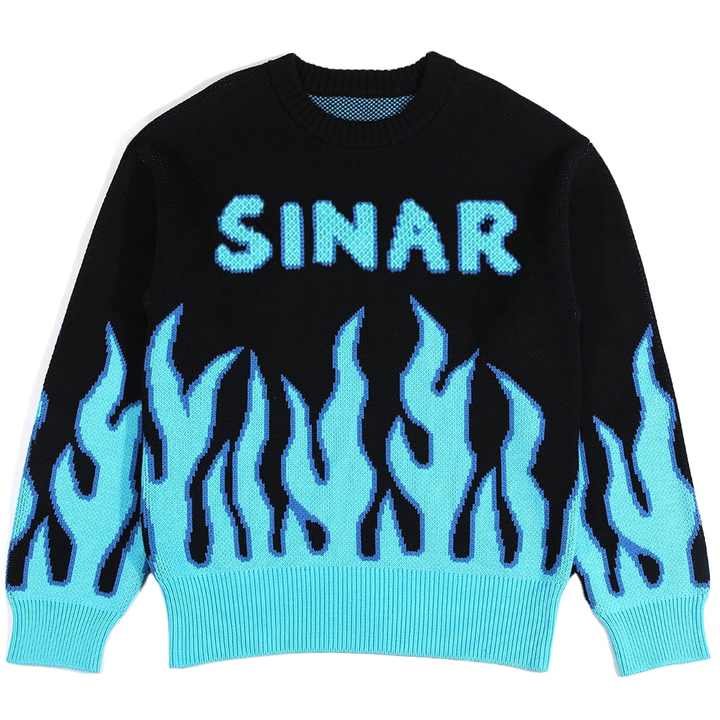
Temperature regulation in blended fabrics results from the unique ways fibers respond to heat and water vapor. Plant-based fibers dynamically adapt to surroundings, taking in sweat when hot and releasing it when cool. Synthetics are engineered for consistent performance, OEM Men's knitted sweater often designed to move moisture efficiently or reflect heat. When these properties are combined strategically, the resulting fabric can adapt to changing conditions—keeping you cool when you're active and warm when you're at rest.
Modern textile technology has made it possible to design blends for specific climates and activities. Endurance athletes use engineered blends to stabilize core temperature under strenuous conditions. Outdoor adventurers choose adaptive blends that insulate efficiently while preventing excessive heat retention. Everyday garments now incorporate smart blends to remain comfortable year-round, minimizing wardrobe switches.
Recognizing the value of fiber combinations leads to more informed purchasing decisions. Instead of focusing solely on whether a fabric is natural or synthetic it's more useful to consider how the combination of fibers supports temperature regulation. A well-designed blend can make a significant difference in comfort, performance, and overall wearability, no matter the weather or activity.
댓글목록 0
등록된 댓글이 없습니다.