
Choosing Between Metal and Acrylic for High-Impact 3D Signage
페이지 정보
작성자 Melisa Huggins 작성일 25-12-04 15:33 조회 62 댓글 0본문
When selecting materials for singapore led signages 3D signs, two of the most popular options are acrylic combinations. Each has its own strengths and weaknesses, and the ideal solution depends on your application requirements, cost limits, and environment.
Metal materials such as commercial-grade metals are praised for resilience and sophisticated aesthetic. They withstand sun, rain, wind, and extreme temperatures, making them the top pick for outdoor signage that must maintain integrity under stress. Metal-constructed signs also offer a luxurious texture and can be enhanced with diverse finishes, including matte, mirror, or anodized, to align with corporate identity. They are often used by corporations, government buildings, and high-end retail spaces where durability and commanding impact cannot be compromised.
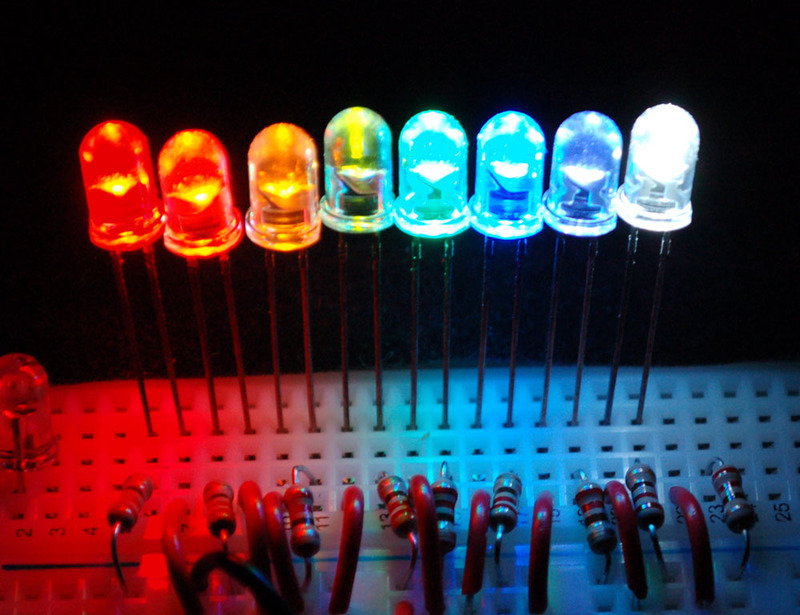
On the other hand, acrylic substrates offer a minimalist, luminous appeal with optimal glow diffusion. Acrylic is lightweight, which simplifies mounting and minimizes load on walls or ceilings. It can be precision-machined, thermoformed, and dyed, allowing for unlimited artistic expression. Acrylic signs are commonly illuminated from behind or the sides, creating a luminous glow that draws attention, especially at night. They are frequently installed in shopping malls, corporate lobbies, and indoor wayfinding where aesthetic appeal and adaptability are non-negotiable assets. However, acrylic surfaces scratch easily and can degrade with prolonged UV exposure when exposed to prolonged UV radiation without proper protection.
Budget considerations play a major role. Metal signs typically have a higher upfront cost due to processing complexity and labor intensity. However, their long lifespan often makes them economical in the long run. Acrylic displays are generally more affordable to produce and can be a smart choice for short-term campaigns. Upkeep needs are distinct. Metal requires occasional cleaning and inspection for signs of rust or damage, while acrylic must be gently cleaned to preserve transparency and surface integrity.
In summary, if your sign will be installed externally and must endure decades of exposure, metal is the recommended solution. If you want a sleek luminous design for indoor use or a temporary outdoor application, acrylic delivers more creative freedom and budget-friendly pricing. Weigh exposure conditions, longevity expectations, cost constraints, and brand impact to make the informed choice for your 3D sign.
댓글목록 0
등록된 댓글이 없습니다.