
How to Identify and Correct Imbalanced Muscle Patterns | Fix Muscle Im…
페이지 정보
작성자 Kourtney Colebe 작성일 25-09-24 16:23 조회 3 댓글 0본문
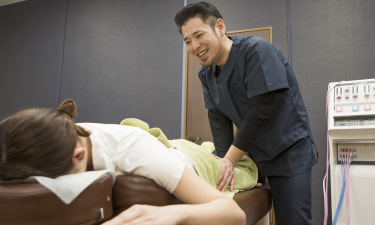
Asymmetrical muscle activation are a common issue that can lead to poor posture, persistent discomfort, and an greater vulnerability to musculoskeletal damage. These imbalances occur when some muscles shorten from constant tension while others become weak or underused. This often happens due to habitual motion patterns, low-activity lifestyles, or favoring one side of the body during daily tasks or exercise. The first step to correcting them is identifying which muscles are tight and which are weak.
Start by examining your alignment. Do you slump while seated? Or do you detect asymmetry in your upper torso? These observational signs can point to hidden muscular dysfunctions. For example, overactive pectorals with inhibited rhomboids often go hand in hand with protracted scapulae. Similarly, tight hip flexors alongside underactive buttocks are common in people who sit for long periods.
To get a clearer picture, perform a personal movement evaluation. Stand in front of a reflective surface and assess vertical symmetry. Your head, clavicles, pelvis, femurs, and feet should line up vertically. If they don’t, note where the misalignment occurs. You can also measure functional mobility. Try a side plank to assess oblique engagement, a bodyweight squat to gauge hip depth, or a wall angel to evaluate shoulder blade control.
Once you’ve identified the imbalances, create a corrective plan. Tight muscles need stretching and mobility work. For instance, if your hip flexors are tight, incorporate dynamic kneeling hip flexor releases and self-myofascial release. If your cervical and trapezius muscles are tight, try chin tucks with resisted movement and foam roller thoracic extensions.
Weak muscles require targeted strengthening. If your hip extensors are weak, do step-ups. If your thoracic erectors are inactive, focus on seated cable rows. Always focus on technique rather than load to ensure the targeted fibers are engaged.
Regular practice makes progress. Spend a dedicated 10–15 minute window on dynamic stretching and resistance work. Pair these with intentional body awareness—take breaks from sitting, optimize your chair height, and refine your stance and stride. Over time, these small changes retrain your body to move more efficiently.
It’s also helpful to seek guidance from a movement specialist if imbalances trigger recurring discomfort. They can provide individualized corrective programs and ensure you’re using proper technique. Remember, fixing asymmetries requires time but a sustainable pattern correction. With patience and attention, you can realign your musculoskeletal system, 小倉南区 整体 eliminate chronic tension, and perform daily tasks effortlessly.
댓글목록 0
등록된 댓글이 없습니다.