
The Evolution of Luxury Luggage and Travel Gear
페이지 정보
작성자 Odell 작성일 26-04-05 09:31 조회 3 댓글 0본문
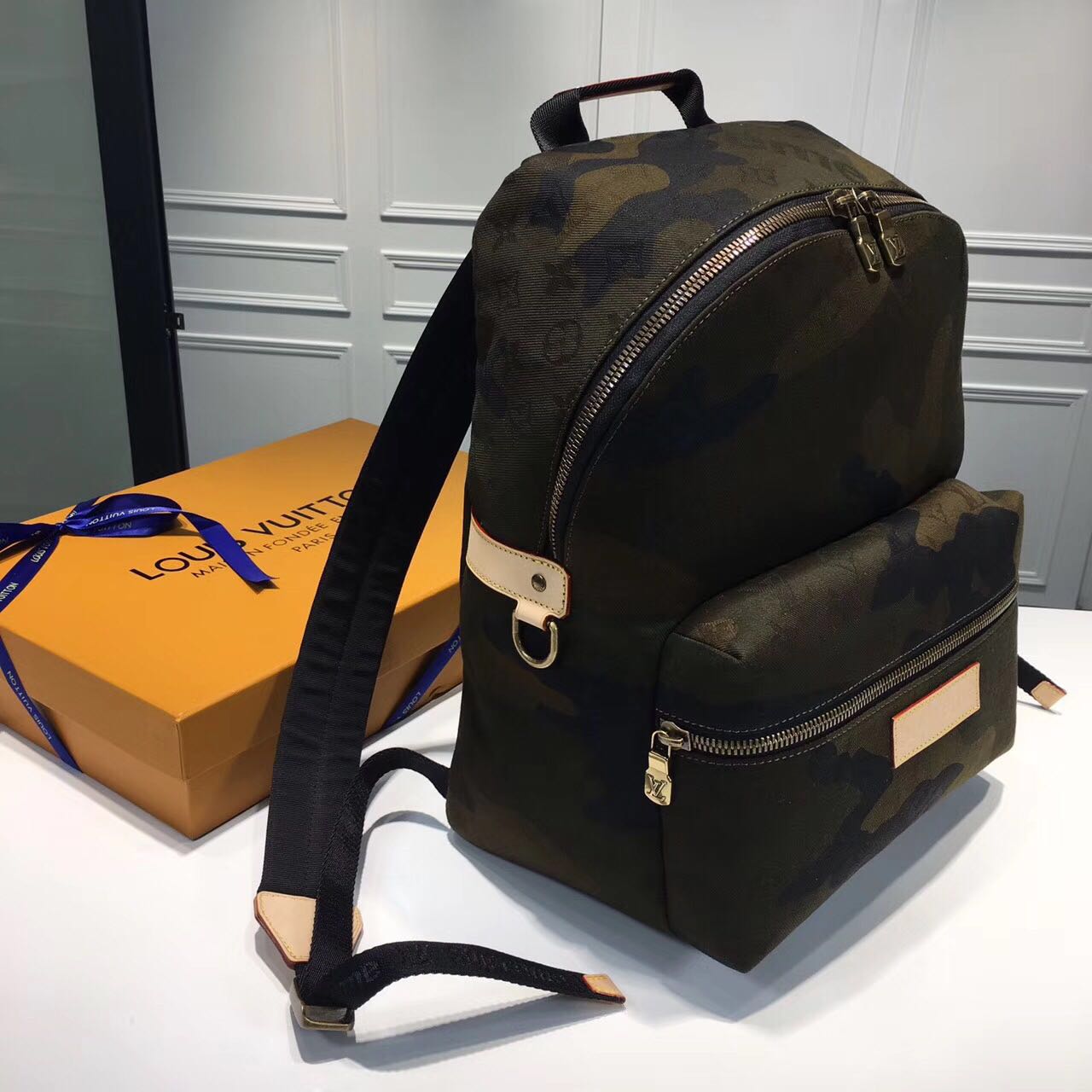
The history of luxury travel gear and high-end baggage is a story of creativity, prestige, and the changing demands of global travelers throughout the centuries. Long before air travel hubs and rolling cases, travelers relied on reinforced leather chests, durable fabric packs, and solid wood crates to carry their belongings. These early containers were often precision-built by expert makers to resist bumpy roads, turbulent seas, and extreme weather conditions.
Wealthy individuals, especially in the 1700s and 1800s, commissioned personalized chests from celebrated artisans, embedding their initials and heraldic symbols as symbols of aristocratic identity.
As rail and steamship travel became more common in the 1800s, the demand for durable, stackable luggage grew. Companies like LV emerged during this era, revolutionizing the industry with level-lid designs optimized for secure stacking. Louis Vuitton’s use of waterproof canvas and brass fittings made his designs both practical and luxurious, quickly becoming the preferred option among nobility and explorers. His invention of the distinctive horizontal stripes and the now-famous 高仿包包 LV speedy Trunk 20 logo turned luggage into a mobile emblem of taste.
The the last century brought further advancements. The invention of the rolling mechanism in the 1970s, though often attributed to Bernard Sadow, didn’t become widely adopted until the turn of the millennium. It was the introduction of 4-directional rollers and extendable poles in the 1990s and 2000s that truly transformed how people carried their bags. Simultaneously, materials evolved from heavy fabrics and natural hides to ultra-durable composites and military-grade fabrics, offering strength without bulk.
Luxury brands like Goyard, Hermès, Rimowa, and Louis Vuitton entered the scene with exquisitely designed luggage merging traditional artistry with cutting-edge innovation. Hermès, for example, offered custom leather luggage with hand-stitched details, while Rimowa’s classic aluminum corrugated designs became synonymous with elegance and enduring performance. These brands didn’t just sell luggage—they sold a lifestyle, a heritage of exploration, and a signature of self-expression.
Travel accessories also expanded beyond bags. Early travelers carried brass locks, leather-bound journals, and travel thermoses. Over time, these gave way to more refined items: luxury grooming sets featuring sterling silver accents, silk-lined garment bags, passport holders embossed in gold, and even portable writing desks. Today’s luxury accessories include ultra-slim battery packs, secure digital wallets, premium travel earbuds, and tailor-made embroidery options for every accessory.
The evolution of high-end travel essentials and designer cases reflects not just advances in materials, but also changing attitudes toward the meaning of mobility. What was once a a practical burden for the elite has become an a declaration of individuality and ease for the global citizen. Luxury no longer means only extravagant finishes but also thoughtful design, intelligent functionality, and enduring quality. Whether it’s a a vintage leather chest from the Victorian era or a a hi-tech carry-on with digital weighing and location tracking, each piece tells a story of adventure, aspiration, and the enduring human desire to move through the world with elegance.
- 이전글 Where Is The Best Furniture Singapore?
- 다음글 Raw Accounts from Fans Changed by Perpetual Shemale Hentai Sessions
댓글목록 0
등록된 댓글이 없습니다.