
Differences Between Residential and Commercial Fire Safety Regulations
페이지 정보
작성자 Katia 작성일 26-04-05 04:42 조회 20 댓글 0본문
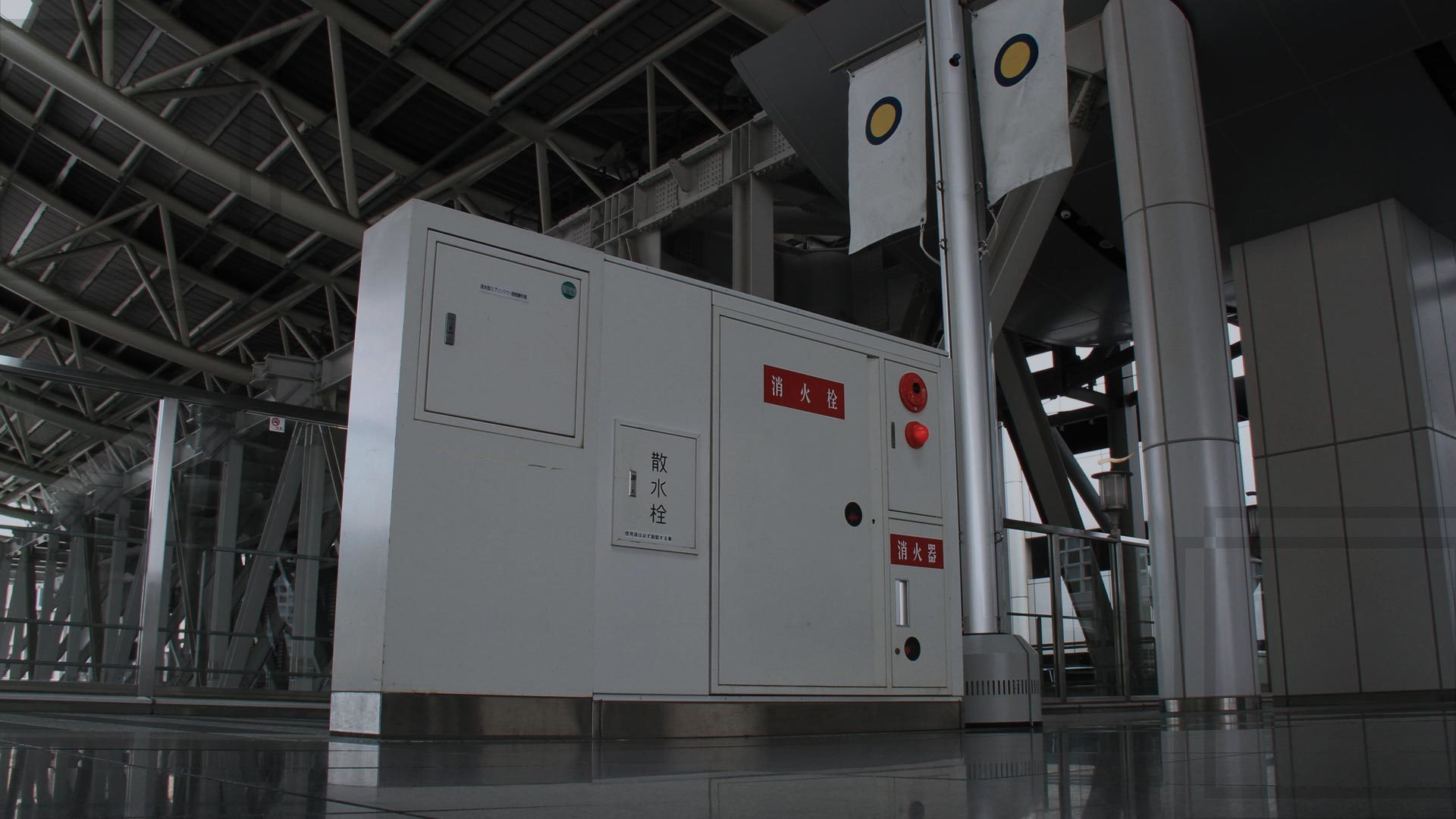
There are major distinctions in fire codes governing residential versus commercial properties due to the nature of the buildings they protect and the populations they serve. Homes including single-family dwellings, multi-unit apartments, and condo complexes are designed for long-term living and typically house fewer people at any given time. As a result, safety requirements for dwellings focus on early warning systems like alarms installed in all sleeping zones and adjacent hallways, as well as easy escape routes. Building codes often require at least two means of egress from each dwelling unit and mandate that corridors and stairwells stay free of obstructions. Fire resistance materials may be less demanding compared to commercial buildings because the occupancy is predictable and 沖縄 消防設備 usually limited to family members or residents who are familiar with the layout.
In contrast, commercial properties such as offices, retail stores, restaurants, and hotels serve the public and often have high occupancy levels with people who are new to the environment. Because of this, commercial fire codes are stricter. These buildings must have automated detection systems tied to local emergency response and automatic sprinklers throughout the structure. They also require highly visible exit signage that are frequently checked and kept clear. Power-failure-safe lighting and path indicators are required to help people navigate during outages or hazardous smoke. Commercial properties also need practice emergency exercises, written emergency procedures, and certified safety officers. Fire resistance ratings for building components like partitions, slabs, and overheads are higher to slow the spread of fire and give more time for evacuation and fire department response.
A major distinction is how often inspections occur and how strictly rules are applied. Residential properties are typically inspected during construction or when there is a change in ownership or major renovation. Commercial buildings, however, are subject to scheduled and random checks by regulatory inspectors to ensure continuous adherence to codes. Failure to meet commercial standards can result in monetary penalties, shutdown orders, or lawsuits in the event of an incident.
Additionally, commercial buildings often have specialized hazards such as cooking areas featuring heavy grease accumulation, chemical storage areas, or electrical equipment rooms that require specialized extinguishing mechanisms and tailored safety procedures. Residential units rarely have such hazards, so their fire safety systems are more standardized and universal.
At their core, residential and commercial fire codes share the same goal of protecting people and property, business fire codes are wider in scope, detailed, and tightly regulated due to higher risk factors associated with public access, larger occupant loads, and greater potential for fire initiation. Knowing how the codes diverge is vital for building operators, tenants, and guardians of safety to ensure proper protection and compliance.
- 이전글 제주출장마사지 이용 전 알아두면 좋은 현실적인 정보 제주출장안마를 찾는 분들이 요즘 들어 더 늘어난 것 같습니다. 일상에서 편하게 관리받으려는 목적도 있고.
- 다음글 벳33 【원벳원보증.com / 가입코드 9192】 볼트카지노 주소
댓글목록 0
등록된 댓글이 없습니다.