
Understanding the Causes of Malocclusion
페이지 정보
작성자 Beth Doll 작성일 26-01-27 04:31 조회 3 댓글 0본문
Malocclusion refers to incorrect positioning of dental arches when the upper and lower teeth meet. It is a widespread oral health issue affecting individuals of all ages. Understanding its etiology requires analyzing the multiple contributing factors that drive its development, typically categorized into genetic, environmental, and behavioral origins.
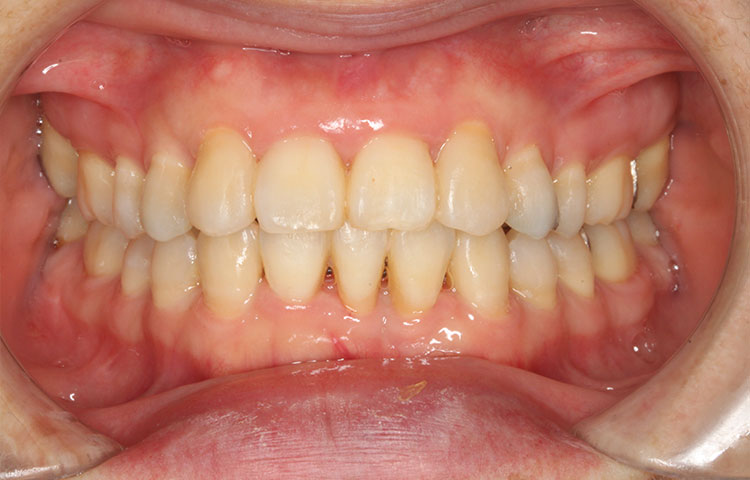
Inherited traits play a significant role in malocclusion development. Traits such as jaw size, tooth size, and arch shape are passed down through families. For instance, a combination of small jaws and oversized teeth is inherited, the teeth may lack adequate room, leading to tooth crowding. Similarly, skeletal discrepancies in jaw relationship often run in families due to inherited bone structure anomalies.
External factors also significantly contribute. Prolonged oral behaviors such as thumb sucking beyond age three can distort normal growth on growing oral structures. These behaviors may disrupt normal skeletal development, resulting in protruding incisors. Furthermore, nasal airway obstruction caused by chronic sinus conditions can distort muscular balance, leading to elongated facial profiles.
Premature tooth loss can also trigger malocclusion. If a primary tooth is extracted prematurely, surrounding teeth migrate into the vacant arch space, 鐘ヶ淵 矯正歯科 preventing proper alignment of the permanent successor. Likewise, injuries affecting tooth buds that injure the enamel organ can cause permanent misalignment later in life.
Changes in nutrition over the last century have been associated with increased dental crowding. Modern diets are softer and more refined, requiring significantly less chewing than the rugged, unprocessed diets of past generations. This reduction in mechanical stimulation during critical developmental stages may lead to smaller dental arches that fail to house erupting molars. Some experts propose that this adaptation lag explains why crowded teeth and impacted molars are so common today.
Certain medical conditions like Endocrine abnormalities such as hypothyroidism can disrupt craniofacial development, thereby heightening likelihood of malocclusion. Complex presentations often necessitate an integrated intervention strategy involving dental specialists, geneticists, and speech therapists.
In summary, malocclusion emerges from a complex interplay of factors—inherited genetics, environmental exposures, developmental patterns, and systemic health conditions. Thoroughly evaluating the root causes in each patient is essential for crafting an effective treatment plan. Early evaluation by a qualified clinician can identify risk factors before they worsen, potentially minimizing complexity of malocclusion and ensuring lifelong craniofacial stability.
댓글목록 0
등록된 댓글이 없습니다.