
Understanding Circadian Balance
페이지 정보
작성자 Werner Glenn 작성일 25-06-09 04:45 조회 8 댓글 0본문
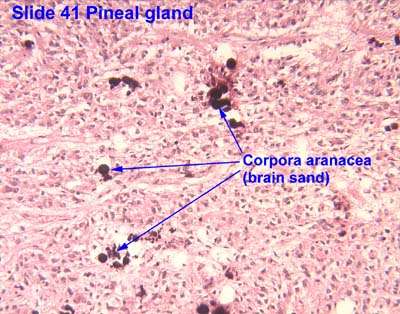
Melatonin production begins with an antioxidant called serotonin. When the light-sensitive cells in the retina of our vision are stimulated by daylight, a signal is sent to the autonomic function controller, the part of the brain responsible for regulating our basic needs. In response to light, the hypothalamus suppresses serotonin production, leading to a drop in melatonin synthesis. Conversely, when it grows twilight, the brain's sleep regulator stimulates the production of serotonin in the pineal gland, which is then changed into melatonin.
Melatonin is a hormone known for its sleep-enhancing properties. Animal studies have consistently shown that melatonin administration can sync up disrupted circadian rhythms, reducing sleep latency. While these results are often hailed as significant findings in sleep medicine, research on humans has yielded mixed results.
In the human body, melatonin not only regulates sleep-wake cycles but also takes on other functions such as protecting the body from damage, and participating in the origin of certain chronic conditions like Parkinson's. Melatonin deficiency has been associated with several conditions including anxiety, but also some ongoing health issues like obesity. Conversely, excessive melatonin is linked to several adverse reactions including dizziness, thus illustrating the required proportion required to maintain optimal melatonin production.
Studies have also shown a positive correlation between increased melatonin levels and its preventative properties. As an substance capable of scavenging harmful substances, and causing cell damage in some types of cancer cells, melatonin can offer an added layer of body defense by protecting the body from damage.
While research shows potential in understanding the critical role of melatonin and the pineal guardian official website gland in human health, further investigation is necessary to fully understand their complexities.
Melatonin research has raised more hypotheses than answers about balanced melatonin production in older adults and how this changes in response to pressure, daylight exposure, and snack timing.
댓글목록 0
등록된 댓글이 없습니다.