
How To Identify The Stationary Planer Test That Is Right For You
페이지 정보
작성자 Rosita 작성일 25-12-10 22:49 조회 2 댓글 0본문
Understanding the Stationary Planer Test: Everything You Need to Know
When it comes to woodworking and product preparation, precision and Abricht Und Dickenhobel Mit Spiralmesserwelle Preisvergleich performance are paramount. One tool that provides accuracy in shaping and planing wood is the stationary planer. But just like any other tool, the quality and efficiency of stationary planers require to be evaluated. This is where the stationary planer test is available in.
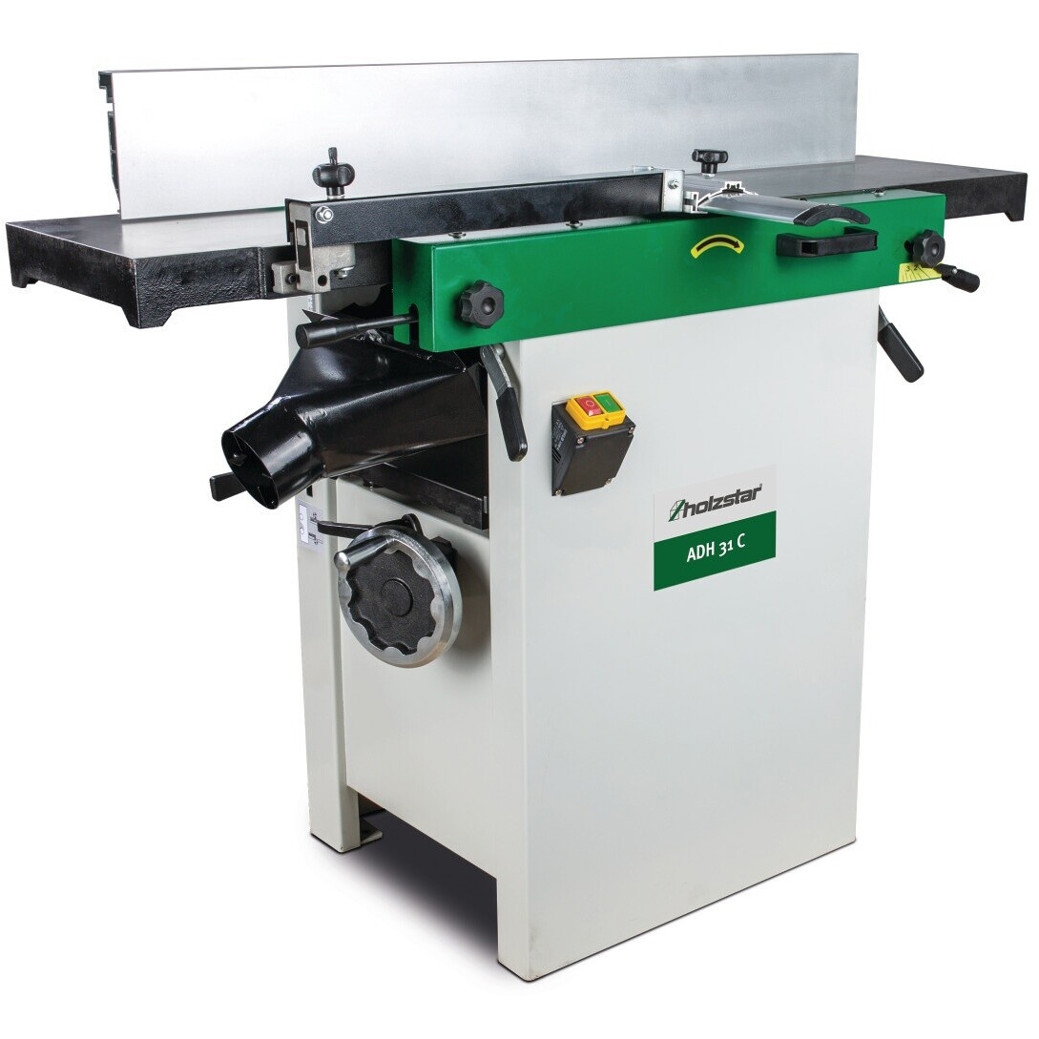
In this article, we will explore what the stationary planer test entails, how it's conducted, its significance, and frequently asked concerns related to the topic.
What is a Stationary Planer?
A stationary planer is a woodworking machine created to smooth the surface of wood and bring it to a wanted thickness. Unlike hand planers, these machines operate using electric power and can handling larger pieces of wood with greater performance. They usually include adjustable cutters that can lower the material in varying thicknesses. The stationary planer is integral for accomplishing an uniform surface finish, making it essential in both industrial and enthusiast woodworking applications.
The Importance of Conducting a Stationary Planer Test
To guarantee that the stationary planer operates efficiently and produces the wanted results, it is necessary to perform a stationary planer test. This test examines numerous performance elements, consisting of:
- Cut Quality: The smoothness and consistency of the completed wood surface.
- Thickness Accuracy: How precisely the planer can keep a wanted thickness.
- Feed Rate Consistency: How steadily the product feeds through the machine.
- Noise Level: The quantity of sound produced throughout operation.
- Alleviate of Use: User experience and the intuitiveness of controls.
Table 1: Key Factors Evaluated in a Stationary Planer Test
| Factor | Description | Importance |
|---|---|---|
| Cut Quality | Smoothness and uniformity of the planed surface area | Impacts the aesthetic and functionality |
| Thickness Accuracy | Deviation from preferred thickness | Critical for project requirements |
| Feed Rate | Stability of material as it travels through the machine | Impacts performance and result |
| Noise Level | Sound produced during operation | Impacts user convenience and ecological factors to consider |
| Reduce of Use | Simpleness of machine controls and setup | Impacts user satisfaction |
How is the Stationary Planer Test Conducted?
Carrying out a stationary planer test includes a series of systematic steps designed to guarantee reliability and reproducibility of outcomes:
1. Preparation
Before starting the test, it's necessary to prepare the equipment and work space. This might consist of:
- Ensuring the planer is clean and devoid of debris.
- Adjusting the machine according to the manufacturer's specifications.
- Picking properly sized test pieces of wood.
2. Evaluating for Cut Quality
- Procedure: Run a piece of wood through the planer, observing the surface after the very first pass.
- Assessment: Inspect the surface for any flaws like tear-out or chattering.
3. Testing for Thickness Accuracy
- Procedure: Measure the thickness of the cut wood piece utilizing calipers before and after planing.
- Assessment: Calculate the discrepancy from the wanted thickness.
4. Examining Feed Rate Consistency
- Treatment: Pay attention to how smoothly the wood feeds through the machine throughout testing.
- Examination: Note any hesitations or Buy A Router inconsistent feeding.
5. Determining Noise Levels
- Procedure: Use a decibel meter to measure sound output during operation.
- Evaluation: Compare the noise levels to appropriate limits Maschinen Set Mit 3 Akkus by occupational health requirements.
6. Assessing Ease of Use
- Study: Ask users about their experience operating the machine after finishing the testing process.
- Assessment: Gather feedback on machine controls, setup treatments, and user complete satisfaction.
Table 2: Summary of Testing Procedures
| Test | Treatment | Examination Criteria |
|---|---|---|
| Cut Quality | Run wood through planer | Smoothness, presence of flaws |
| Thickness Accuracy | Step thickness before and after planing | Deviation from preferred thickness |
| Feed Rate Consistency | Observe feeding procedure | Stability of feed, occurrence of hesitations |
| Noise Level | Procedure sound during operation | Comparison to acceptable noise levels |
| Relieve of Use | User feedback after operation | Complete satisfaction with controls and setup |
Significance of the Test Results
The results of the stationary planer test are considerable on multiple levels:
- Improvement of Techniques: Identifying weaknesses enables artisans to make adjustments to their strategies or settings.
- Manufacturer Insights: For manufacturers, this feedback provides insights into product design and areas for enhancement.
- Customer Confidence: Providing comprehensive screening results constructs trust among users worrying the product's dependability and quality.
Frequently Asked Questions (FAQ)
What is the very best method to maintain a stationary planer?
- Routine cleansing to prevent accumulation of sawdust.
- Periodic examination and sharpening of the blades.
- Guaranteeing all moving parts are lubricated as essential.
How typically should I carry out a stationary planer test?
It's advisable to conduct this test after significant use or whenever changing blades or Oberfräse Kaufen Im Koffer (47.121.207.11) making adjustments to the machine settings.
Can I carry out a stationary planer test with any type of wood?
While it is possible to test different wood types, some woods (like softwoods) might yield various results compared to woods. It's vital to consider the material when designing tests for optimum efficiency.
What should I do if my planer produces poor cut quality?
Examine the blades for dullness or damage, examine the machine's calibration, and guarantee the wood is being fed correctly without resistance.
Are there specific brands known for premium stationary planers?
Yes, brand names such as Dewalt, Bosch, and Grizzly are frequently pointed out for their reliability and efficiency, but it's vital to evaluate based on individual requirements and the testing outcomes.
Conducting a stationary planer test is important for establishing the reliability and performance of these effective woodworking devices. With a focus on precision, smooth surfaces, and user experience, this testing can guide both manufacturers and end-users in making notified choices concerning their woodworking tools. Whether you are a professional woodworker or an enthusiastic enthusiast, understanding the subtleties of stationary planer tests can elevate the quality of your work and the durability of your equipment.
- 이전글 Ten Things Everybody Is Uncertain Concerning Built-In Oven With Telescopic Rails
- 다음글 작대수수료? 【카/텔:@XM365 】 무직자당일작대?
댓글목록 0
등록된 댓글이 없습니다.